
Congratulations on being chosen for the Shared Aid Research Intensive in Muara Baru. We’re thrilled to have you joining us for this once in a lifetime opportunity to learn and exchange knowledge while being a part of an international humanitarian effort.
Through this portal, you’ll be able to set up an account with S.A.R.I., submit details on your travel plans, learn about the structure of the program, enter emergency contacts, and confirm all vaccinations recommended for workers in the region. Participants may apply for travel funding through our portal by completing the form and itemizing expenses with attachments.
Orientation
When you arrive, you will complete check-in and begin a two-day orientation, wherein you’ll be introduced to the area by local ambassadors. At that point, you will receive a badge and ID credentials that will help administrators to identify you throughout the intensive. If you have questions about available arrival times or need to be added to the list of late arrivals, please reach out to Yusuf Putri.
Please fill out the Travel Plan Itinerary and the Emergency Contact Form at least 30 days before the start of the Intensive. Make sure to examine our Packing Checklist to ensure you bring the resources you need to be able to contribute to the effort.
International Travel
If you are traveling from an area outside of Indonesia, you will need to contact the Indonesian Embassy in your country in advance of the Shared Aid Research Intensive. Before you reach out, you’ll want to prepare your application materials with this form.
If you’re traveling from elsewhere in Indonesia, click here to confirm your travel and visa details.
About the Area
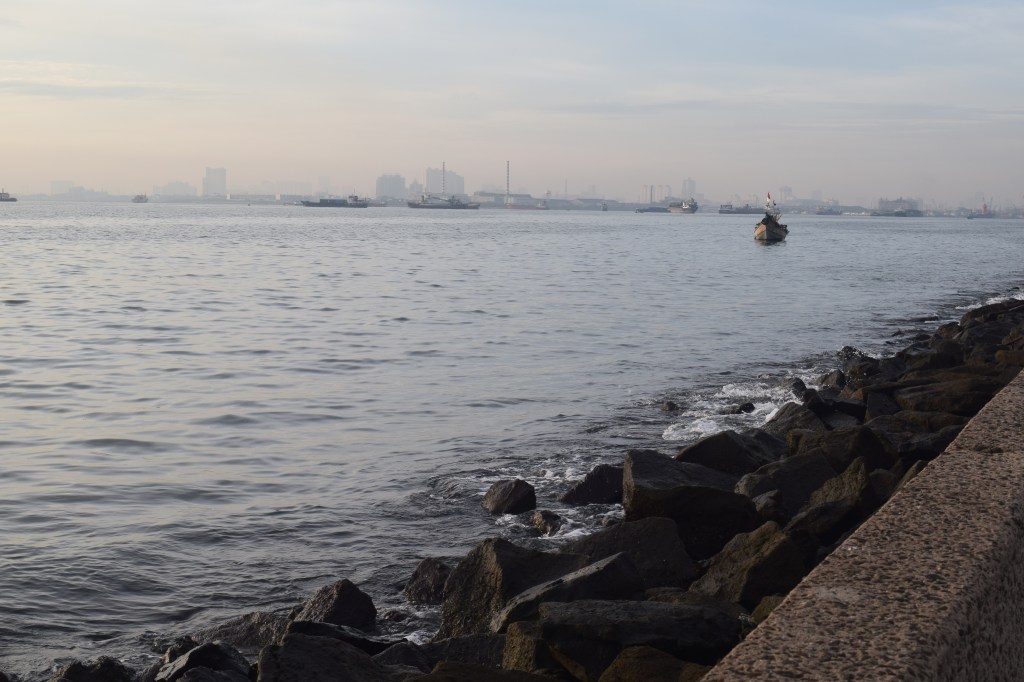
Muara Baru is located in the North Jakarta area, in the fourth-most populous nation in the world. Primarily known for its harbor and fishing industry, Muara Baru has historically been a dynamic area with a mix of local businesses, residential areas, and busy markets. But in recent years, the residents of Muara Baru have been devastated by unprecedented tidal floods caused by rising sea levels. Climate change and groundwater extraction have further exacerbated the problem, and S.A.R.I. has been working with local organizations to find solutions in the face of these seemingly insurmountable humanitarian crises.
Climate
Jakarta has a tropical climate, with hot, humid weather year-round. Be prepared for frequent rain during the wet season (November to March). Light clothing is essential, but also carry an umbrella for the rainy months.
Housing
Shared housing is available to all participants in the Intensive. Much like the locals affected by the disaster, participants will sleep multiple residents per structure and will take turns preparing meals for the camp. Climate control will be minimal, so it will be essential to bring layered clothing and sufficient bedding for the fluctuations in weather.
Getting around in Jakarta
- Public Transportation:
- TransJakarta Bus System: Muara Baru is well-connected by Jakarta’s TransJakarta bus system. Buses are affordable and cover most major areas, including the city center.
- Jakarta MRT & LRT: While the MRT and LRT systems are expanding, Muara Baru is still mainly served by buses and taxis.
- Taxis & Ride-Hailing Apps:
- You can use Grab, Gojek, or Uber for convenient and affordable transport.
- For short distances, local ojek (motorbike taxis) are popular and quick.
- Traffic:
- Jakarta is notorious for heavy traffic, especially during rush hour. Plan your journey with extra time in mind.
Cultural Tips
- Language:
- The official language of Indonesia is Bahasa Indonesia. English is widely spoken in major business districts but not as much in residential areas. Learning some basic Bahasa can be very helpful.
- Here is a link to a basic glossary of commonly used terms and phrases in Jakarta. Please take some time to familiarize yourself with these phrases if you don’t speak the language.
- Social Etiquette:
- Indonesians are known for their politeness and hospitality. Greetings are often accompanied by a handshake, though not always firm.
- It’s respectful to address people with their titles (Bapak for Mr., Ibu for Mrs.).
- Local Cuisine:
- Muara Baru is famous for its seafood. Don’t miss the local dishes like Ikan Bakar (grilled fish) and Kerak Telor (traditional Jakarta omelet).
- Religious Practices:
- Indonesia is a predominantly Muslim country, and many businesses close during prayer times. Be respectful of religious practices, especially during Ramadan.
Essential Information
- Healthcare:
- There are several hospitals in Jakarta, such as [Hospital 1] and [Hospital 2], but it’s important to have health insurance that covers international and local health needs.
- Banking & Currency:
- The local currency is the Indonesian Rupiah (IDR). You can exchange money at local banks or exchange counters. Credit cards are accepted in most malls and larger stores.
- SIM Cards & Internet:
- Telkomsel, Indosat, and XL are popular SIM card providers. You can easily purchase a SIM card at the airport or at local kiosks.
- Emergency Numbers:
- Police: 110
- Fire Department: 113
- Ambulance: 118
FAQs
- Q: Is it safe to live in Muara Baru?
- Muara Baru is generally safe, but like any large urban area, be cautious about petty theft. It’s always good to keep your valuables secured.
- Q: Can I find international food in Muara Baru?
- Yes, there are many international restaurants in Jakarta, including those offering Western, Chinese, and Japanese cuisines.
- Q: How do I get a visa to live in Indonesia?
- To live in Indonesia long-term, you will need to apply for a KITAS (Temporary Stay Permit). You can apply through the Indonesian embassy or consulate in your home country.
Get in touch
- Contact Information:
- Email: contact@SARIresidency.com
- Phone: +62-21-5554567
- Social Media:
- Links to Facebook, Instagram, Twitter, etc.
 Bespoke Cruelty